About
Summary
Many students experience difficulties during the transition to higher education and especially in the first year of STEM, drop out numbers are high compared to other disciplines. These experienced difficulties can be elevated for students who belong to minorities, such as first-generation students who are the first in their family to participate in higher education. Also women in particular can experience problems of belonging in male dominated STEM programs. It has also been found that the academic self-concept of women first-year students in STEM is significantly lower than that of male students and is not associated with important achievement predictors such as prior academic achievement. When women STEM students drop out or change majors, they do so with higher grades than their male counterparts, and subjective feelings of lack of fit have been hypothesized to play a role in such decisions. Also apprenticeship students that combine Work Based Learning with an academic engineering education can experience challenges to fit in.
In-4-STEM will support these various target groups by means of carefully designed interventions to improve social and- academic integration (SAInt).
First, we will map the challenges faced by minorities in STEM (first-generation, women, apprenticeship students) during the transition to higher education, and map and evaluate existing interventions to improve SAInt. We will also develop an instrument to measure social and academic integration of new students in STEM. To tackle the identified hurdles, we will develop effective and innovative interventions based on universal design principles. These new interventions will be offered to all first-year students, but the innovative design will focus on addressing challenges that are particularly experienced by first-generation students, women, and apprenticeship students, e.g., social exclusion, feelings of loneliness, and fear of failure.
We will evaluate the effectiveness of these interventions and develop tools to inspire other STEM universities to measure and optimize the SAInt of their first year students. In-4-STEM will raise awareness of the importance of SAInt for all students and provides a more holistic view of student success.
Project Partners
KULeuven coördinates this European Erasmus+ project, which is a cooperation between four European partner universities, namely KU Leuven, TU Dublin, TU Eindhoven and ENSTA.


Associate partners



Project team
Carolien Van Soom
Coordinator, PI Faculty of Science KU Leuven
Prof. Carolien Van Soom (F) – Carolien is associate professor at the Faculty of Science (KU Leuven) and head of Tutorial Services & Educational Development in Science. Currently she is the chair of LESEC. As Diversity Officer of the Faculty of Science, she coordinated and investigated the effectiveness of an outreach event (Ladies@Science) to encourage interest of women pupils in male dominated STEM domains. Her research interest lies in predictors of the achievement of first year STEM students. Topics include the interrelationship of cognitive and motivational factors related to a successful transition into higher STEM education, changes in motivation and self-concept during the first year of higher STEM education, with special focus on gender differences. She has been part of two successful Erasmus+projects.
Tinne De Laet
PI Faculty of Engineering KU Leuven
Prof. Tinne De Laet (F) – Tinne is associate professor at KU Leuven’s Faculty of Engineering Science, member of the LESEC, and manager of the Tutorial Services of Engineering Science at the same university. The Tutorial Services of Engineering Science supports students in the bachelors of Engineering Science and Engineering Science: architecture through their academic career. Her research interests include learning analytics, metacognition, self-regulation, and support for first-year students with a special focus to engineering and STEM. She has been part of four successful Erasmus+ projects, of which she was coordinating the STELA project (Successful Transition from secondary to higher Education using Learning Analytics).

Lynn Van den Broeck
PI Faculty of Engineering Technology KU Leuven
Dr. Lynn Van den Broeck (F) – Lynn holds a master’s degree in chemical engineering technology and a PhD in engineering education. Currently, she is active as a postdoc and coordinating the Erasmus+ project TRAINeng-PDP (Cooperation Partnerships) and is closely involved in the REFL³ECT project (internal funding KU Leuven). Both projects focus on lifelong learning and the required competencies to be prepared for a life full of learning. She is closely involved in education and more specifically the inclusion of professional competencies in the study programme. In addition, she is responsible for educational professionalisation and teaching assistant training, she is also member of the working group study guidance at the faculty, and active as a student advisor. Her research interests focus on study guidance, effectiveness and efficiency of educational interventions, LLL and professional competencies, and feedback.
Cindy Verboven
PhD student KU Leuven
Una Beagon
PI TU Dublin
Dr. Una Beagon (F) – Una is a Chartered Structural Engineer and joined TU Dublin after a successful career in industry, where she held roles at Director Level in various engineering consultancies. She has responsibility for progression of students in engineering programmes and has first-hand experience of the challenges faced by students as they transition into university life. Una is also a member of the WITU (Women in Technology United) group in TU Dublin that aims to retain students in technology courses and increase gender diversity in alignment with the Sustainable Development Goals (SDGs). This project aligns with Una’s personal goals, to create an educational environment which is attractive and inclusive to a diverse body of students. Una has a range of experience of STEM education projects and was PI on the ASTEP 2030 (Attracting Diverse Talent to the Engineering Professions of 2030) Strategic Partnerships Project, the TRAINeng-PDP (Training Engineers for Lifelong learning through a Personal Development Project) Erasmus+ project and PROFESS 12 (Professional Skills for Engineering Students), a Higher Education Authority Ireland funded project. Una will be the local In- 4-STEM coördinator.
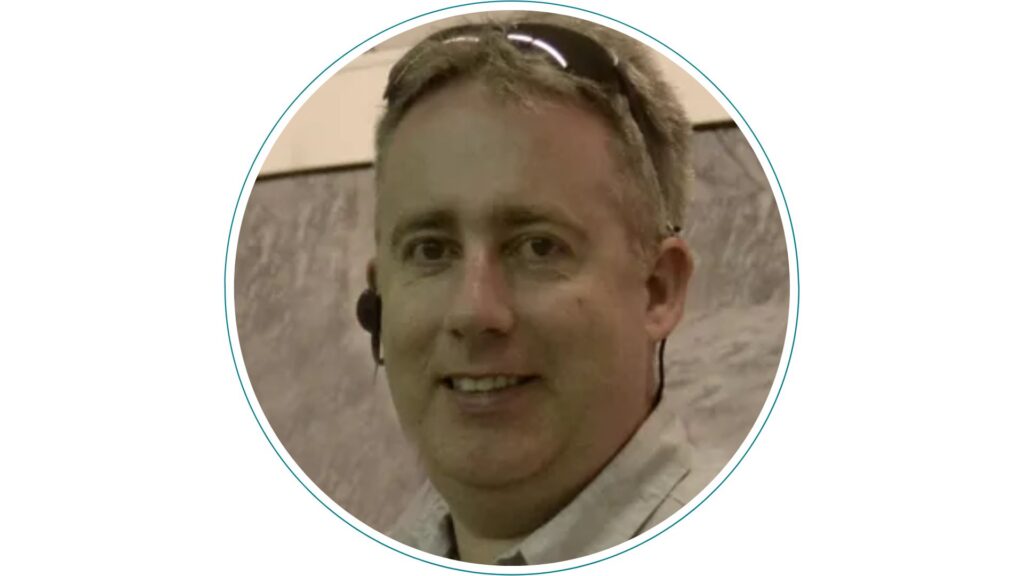
Edmund Nevin
CoPI TU Dublin
Mr. Edmund Nevin (M) – Edmund is lecturer based in the School of Transport & Civil Engineering (City Campus). He has taught across multiple programmes and demonstrated a significant ability to collaborate across the School, Faculty, and outside the organisation. As a first year tutor he is acutely aware of the issues faced by students as they transition from second to third level. Much of Edmund’s research has been focussed on improving educational practice, with very positive impacts on TU Dublin’s students and on a wider audience. Edmund is a previous recipient of a Teaching Fellowship (2013)
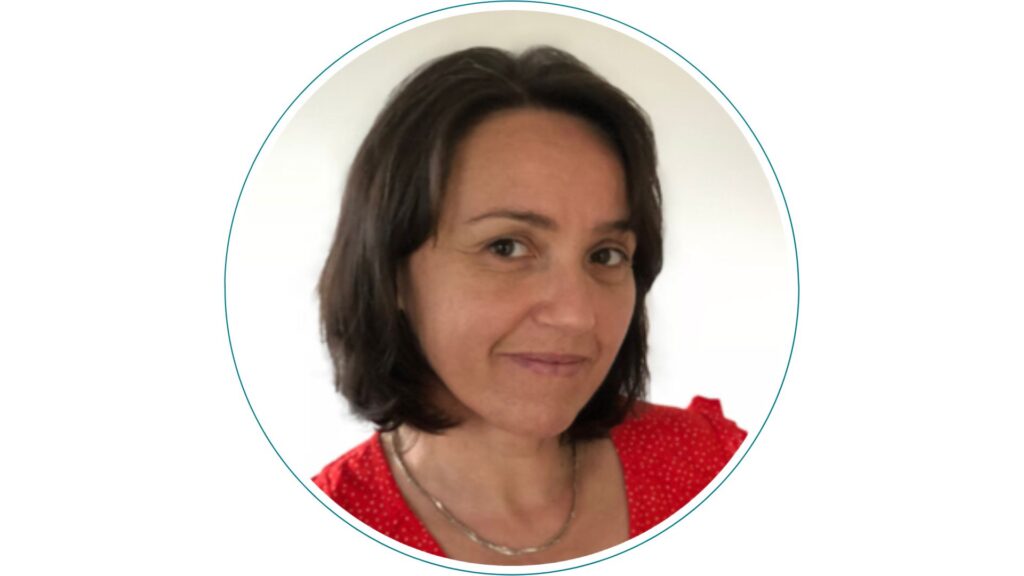
Klara Kövesi
PI ENSTA – Institut Polytechnique Paris
Dr Klara Kovesi (F) – Klara holds a Bachelor’s degree in computer sciences and Master’s degrees in business engineering and economics. She obtained a PhD degree in management sciences from University of Rennes 1, in 2008. She has nearly ten years industrial experience in telecommunication industry at several multinational companies and twelve years’ experience in academia. Currently, she is Associate Professor at ENSTA Bretagne in France and member of the FOAP research laboratory at CNAM in Paris. She was the promoter and coordinator of the A-STEP 2030 project. Her main research interests in the field of engineering education: social entrepreneurship, interdisciplinary teaching and learning, and skills and competences development for engineers. She will be the local In-4-STEM coördinator.
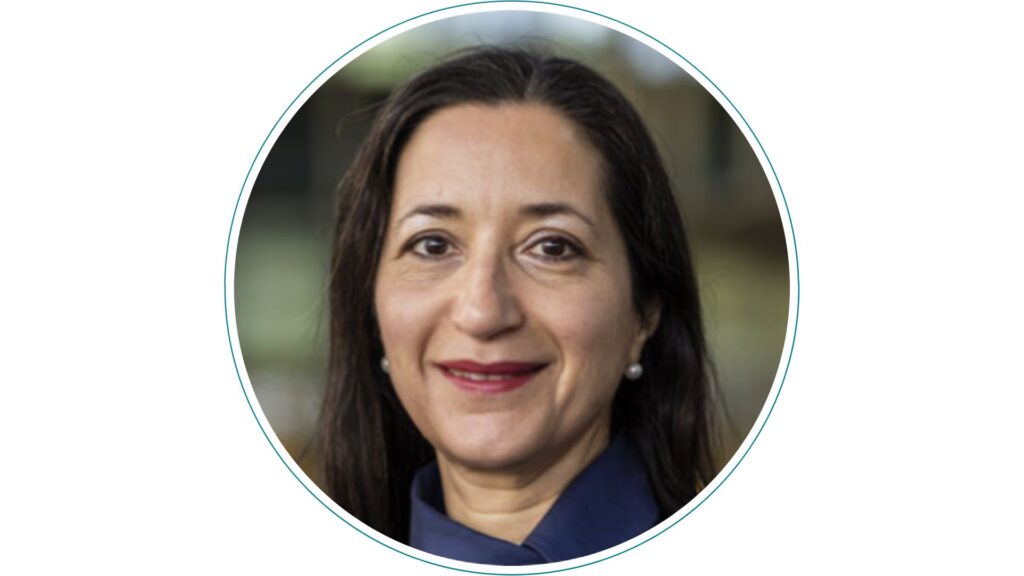
Esther Ventura-Medina
PI TU Eindhoven
Esther is professor of Innovation in STEM Education at ESoE. She is trained as a chemical engineer and is a Chartered Engineer (CEng) and a member of the Institution of Chemical Engineers (IChemE). At IChemE she has been the Chair of the Education Special Interest group and is currently a member of the Education and Accreditation Forum. Earlier while working in the UK, Esther has done work to support the school-to-university transition of students coming into chemical engineering programmes with activities before and after arriving at university. This has been important in the context of large and diverse populations of students to avoid high drop-out rates. In her educational practice within engineering, Esther uses active and student-centre approaches and tools that provide opportunities for students to develop disciplinary knowledge and skills. Her research focuses on how students working collaboratively in teams manage their effort and become self-directed learners while balancing and developing their social and professional identities respectively. Esther is the TUe lead for the Centre for Engineering Education in the 4TU Alliance in the Netherlands and Scientific director of the Academy for Learning and Teaching at TUe. She has experience in leading and collaborating in a wide range of research and development projects mostly in the UK. Esther will be the local In-4-STEM coördinator.
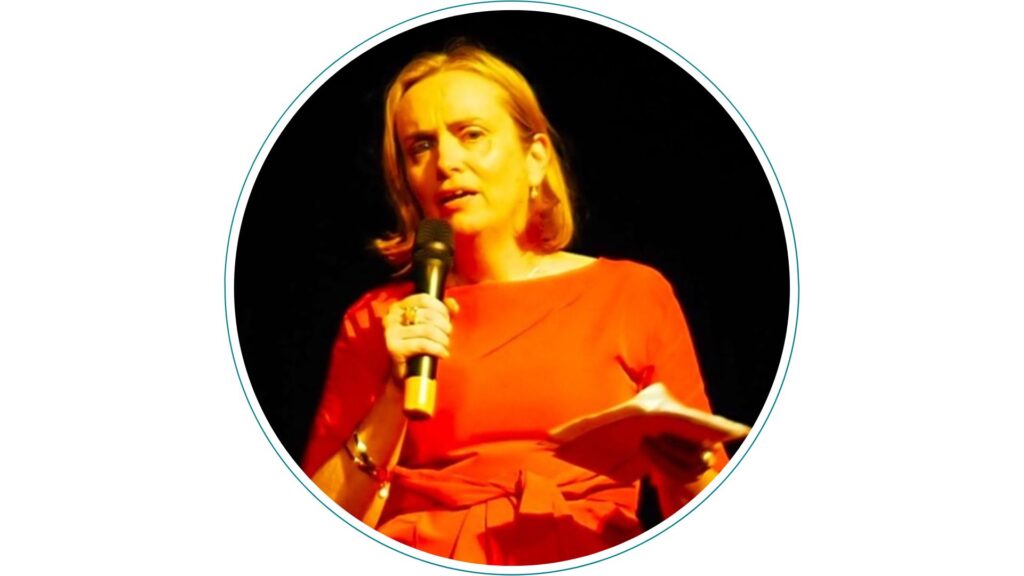
Janet McKennedy
PI TU Dublin
Dr. Janet McKennedy is a water engineering lecturer in the School of Transport and Civil Engineering at TU Dublin. She teaches in the areas of water and wastewater engineering, environmental engineering, and engineering science. Her research areas include professional skills for undergraduate engineering students, assessment, SuDS (Sustainable Urban Drainage Systems), renewable energy, seaweed extracts, anaerobic digestion and biochar. She has supervised many undergraduate and postgraduate projects in these areas, has published in and has been a reviewer in a range of peer-reviewed journals. She has been involved in a number of research projects: Plan-It-Play: Creative Ireland funded project incorporating toys into the circular economy. Furthermore, Teaching Champion: TU Dublin funded project on innovative assessment methods for the SDGs in the environmental engineering discipline. Moreover, PROFESS 12: A HEA funded project investigating SDG12. And she was part of ECO-GT: Erasmus+ funded project looking at professional skills in engineering students in association with the green transition. Prior to joining TU Dublin, Dr McKennedy worked across a range of industries including wastewater, pharmaceutical and analytical chemistry laboratory instrumentation. She has studied and is qualified in the areas of environmental engineering, chemistry, plant science, microbiology and biotechnology. She has also completed the MSc in Education at the Learning and Teaching Academy, TU Dublin.
Project Objectives
In-4-STEM wants to improve the social and academic integration of new STEM students, especially of minorities such as first-generation, women, and apprenticeship students by the following objectives:
- design, implement, and evaluate innovative interventions that address the identified challenges and improve social and academic integration during transition into STEM
- identify the challenges faced by minorities during transition in various European STEM universities
- develop and validate a tool to measure the social and academic integration of new STEM students
Project Background
Given the ongoing high societal demand for STEM graduates, it is crucial to not only improve the recruitment of new students, but also to retain them in STEM programmes. Simply removing barriers to entry into STEM higher education is insufficient if newly recruited students leave without a degree. Indeed, many students experience difficulties during the transition to higher education, particularly in the first year of STEM programmes, when dropout rates are higher than in other disciplines (González-Pérez et al., 2022, Shaw and Barbuti, 2010).
These experienced difficulties can be elevated for first-generation students, who are the first in their family to participate in higher education. Several studies showed that a complex interplay of psychological and institutional factors can contribute to a problematic transition for these underrepresented student groups (Gist-Mackey et al., 2018, Dika and D’Amico, 2016, Canning et al., 2020).
Women in particular can experience problems of belonging in male dominated STEM programs (Fingleton et al., 2014). It has also been found that the academic self-concept of women first-year students in STEM is significantly lower than that of male students and is not associated with important achievement predictors such as prior academic achievement (Van Soom and Donche, 2014). When women STEM students drop out or change majors, they do so with higher grades than their male counterparts, and subjective feelings of lack of fit have been hypothesized to play a role in such decisions (Isphording and Qendrai, 2019, Astorne-Figari and Speer, 2018).
Apprenticeships students who combine Work Based Learning with an academic engineering education are also a target group of In-4-STEM. Although apprenticeship programs could provide an excellent tool to increase human STEM capital by providing opportunities for students from a more disadvantaged background, these students experience a complex transition process due to fit and belonging problems (Liu et al., 2020).
A successful transition into higher education is particularly important to increase the number of STEM graduates, since social and academic integration in a new learning environment has a positive impact on social-emotional well-being and indirectly on persistence and achievement (Bowman, 2010; van der Zanden et al., 2018). An increased academic and social support of first year students therefore opens perspectives to increase the success of a more diverse pool of potential STEM graduates.
References:
Astorne-Figari, C., & Speer, J. D. (2018). Drop out, switch majors, or persist? The contrasting gender gaps. Economics Letters, 164(C), 4. doi:10.1016/j.econlet.2018.01
Bowman, N. A. (2010). The development of psychological well-being among first-year college students. Journal of College Student Development, 51(2), 180–200. doi:https://doi.org/10.1353/csd.0.0118
Canning, E. A., LaCosse, J., Kroeper, K. M., & Murphy, M. C. (2020). Feeling Like an Imposter: The Effect of Perceived Classroom Competition on the Daily Psychological Experiences of First-Generation College Students. Social Psychological and Personality Science, 11(5), 647-657. doi:10.1177/1948550619882032
Dika, S. L., & D’Amico, M. M. (2016). Early experiences and integration in the persistence of first-generation college students in STEM and non-STEM majors. Journal of Research in Science Teaching, 53(3), 368-383. doi:https://doi.org/10.1002/tea.21301
Fingleton. A., et al (2014) ‘Towards Gender Balance in Engineering Engineering Graduates Association Board Subcommittee on Gender Balance’ University College Dublin Engineering Graduates Association report. https://www.ucd.ie/t4cms/TowardsGenderBalanceinEngineering.pdf
Gist-Mackey, A. N., Wiley, M. L., & Erba, J. (2018). “You’re doing great. Keep doing what you’re doing”: socially supportive communication during first-generation college students’ socialization. Communication Education, 67(1), 52-72. doi:10.1080/03634523.2017.1390590
González-Pérez, S., Martínez-Martínez, M., Rey-Paredes, V., & Cifre, E. (2022). I am done with this! Women dropping out of engineering majors. Front Psychol, 13, 918439. doi:10.3389/fpsyg.2022.918439
Isphording, I. E., & Qendrai, P. (2019). Gender Differences in Student Dropout in STEM. IZA Research Report, 87, 16.
Liu, Q., Reeve, D., Rottmann, C., & Moore, E. (2020). Examining Workplace Affordance and Student Engagement in Engineering Co-op and Internship Literature. Canadian Journal of Science, Mathematics and Technology Education, 20(1), 116-129. doi:10.1007/s42330-019-00074-6
Shaw, E. J., & Barbuti, S. (2010). Patterns of Persistence in Intended College Major with a Focus on STEM Majors. NACADA Journal, 30(2), 19-34. doi:10.12930/0271-9517-30.2.19
van der Zanden, P. J. A. C., Denessen, E., Cillessen, A. H. N., & Meijer, P. C. (2018). Domains and predictors of first-year student success: A systematic review. Educational Research Review, 23, 57-77. doi:https://doi.org/10.1016/j.edurev.2018.01.001
Van Soom, C., & Donche, V. (2014). Profiling First-Year Students in STEM Programs Based on Autonomous Motivation and Academic Self-Concept and Relationship with Academic Achievement. PLoS ONE, 9(11), e112489. doi:10.1371/journal.pone.0112489